30–45 Minutes
Treatment
Polynucleotide Skin Rejuvenation


Treatment at a glance
Treatment time
Downtime
Mild Redness or Swelling for 24–48 Hours
Results
Gradual Improvement Over 2–4 Weeks
Longevity
Typically 4–6 Months, with Maintenance Advised
Treatment areas
Face, Under-Eyes, Neck, Décolletage, Scalp and Selected Body Areas
Treatment time
30–45 Minutes
Downtime
Mild Redness or Swelling for 24–48 Hours
Results
Gradual Improvement Over 2–4 Weeks
Longevity
Typically 4–6 Months, with Maintenance Advised
Treatment areas
Face, Under-Eyes, Neck, Décolletage, Scalp and Selected Body Areas
Polynucleotide skin rejuvenation is an injectable treatment that helps improve skin quality by supporting hydration, elasticity and natural repair processes over time.
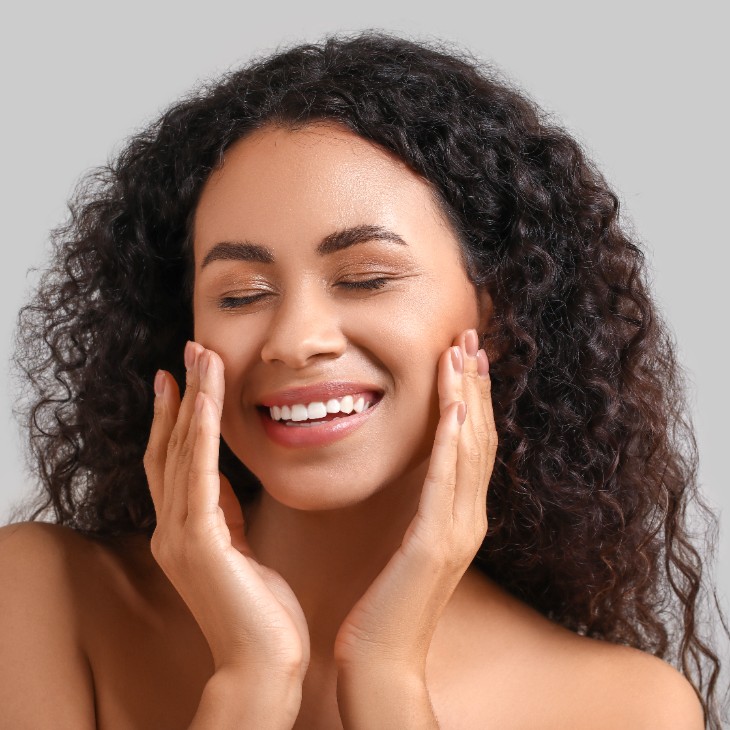
Polynucleotide injections use highly purified DNA fragments to support skin regeneration at a cellular level.
Once introduced into the skin, they help attract and retain moisture, improving hydration and overall skin suppleness. They also support fibroblast activity, which plays an important role in the production of collagen and elastin.
This treatment is commonly used to improve the appearance of dull, tired or environmentally stressed skin, as well as areas affected by fine lines, scarring or loss of elasticity. It is suitable for delicate regions such as the under-eye area, where skin quality concerns are often more noticeable.
Results develop gradually as the skin’s natural processes are stimulated, with improvements typically seen in tone, texture and hydration. A thorough consultation is carried out beforehand to assess suitability and create a tailored plan. A course of three treatments, spaced around two to three weeks apart, is usually recommended, followed by maintenance as required.
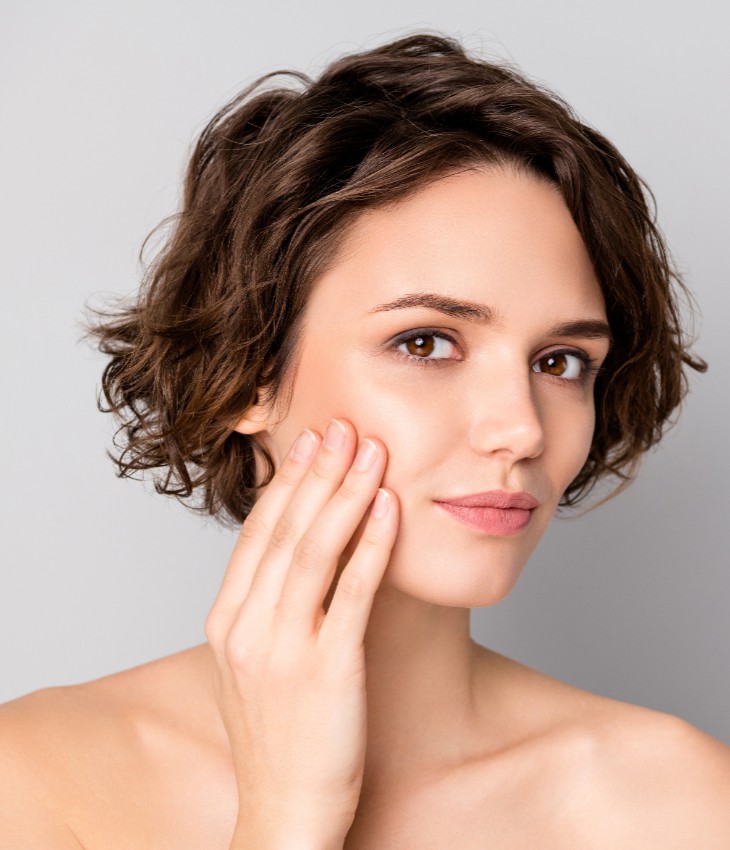
Why This Treatment Might Be Suitable for You
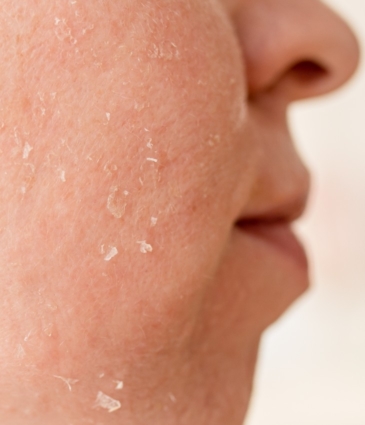
- Skin feels dull, dry or dehydrated
- Fine lines or early signs of ageing
- Tired-looking under-eye area
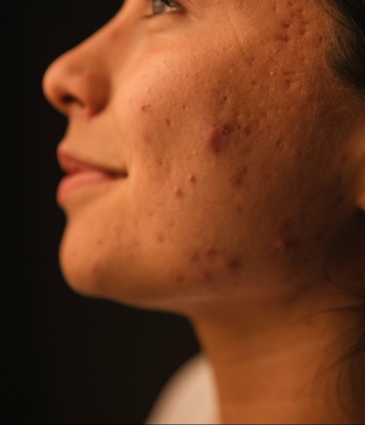
- Acne scarring or uneven skin texture
- Sun-damaged or environmentally stressed skin
- Loss of firmness or elasticity
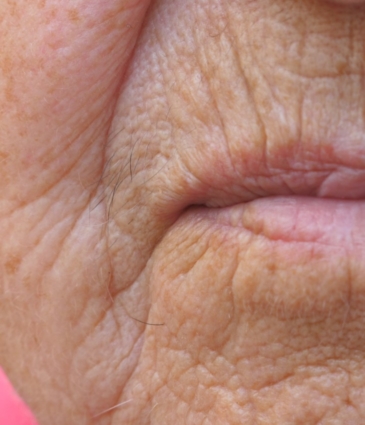
- Crepey skin on the face, neck or décolletage
- Early concerns about skin ageing and prevention
FAQs
Is polynucleotide treatment painful?
Most patients describe the treatment as comfortable, with a mild stinging sensation during injections. A topical numbing cream can be used if required.
When will I see results from polynucleotide injections?
Improvements are gradual, with changes in hydration and skin quality often noticed within a few weeks as the skin continues to regenerate.
How many sessions will I need?
A course of three treatments is typically recommended, followed by maintenance sessions depending on your skin and goals.
Related Treatments


Related Conditions